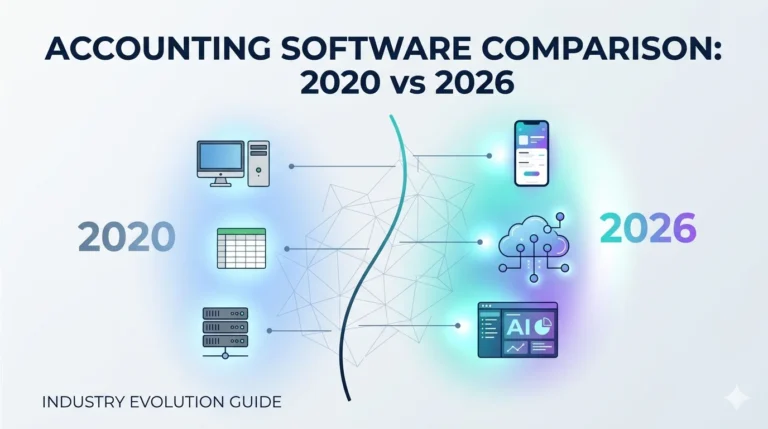
Cloud accounting has transformed the way businesses manage their finances. Instead of relying on traditional desktop software or manual bookkeeping, companies now use online platforms to handle everything from invoicing to financial reporting.
As businesses become more digital and remote-friendly, cloud accounting is no longer just an option—it is quickly becoming the standard. Platforms like Xero and similar tools are leading this shift by offering flexibility, automation, and real-time access to financial data.
In this guide, you will learn what cloud accounting is, how it works, its key features, and why it matters more than ever in 2026.
What is Cloud Accounting?
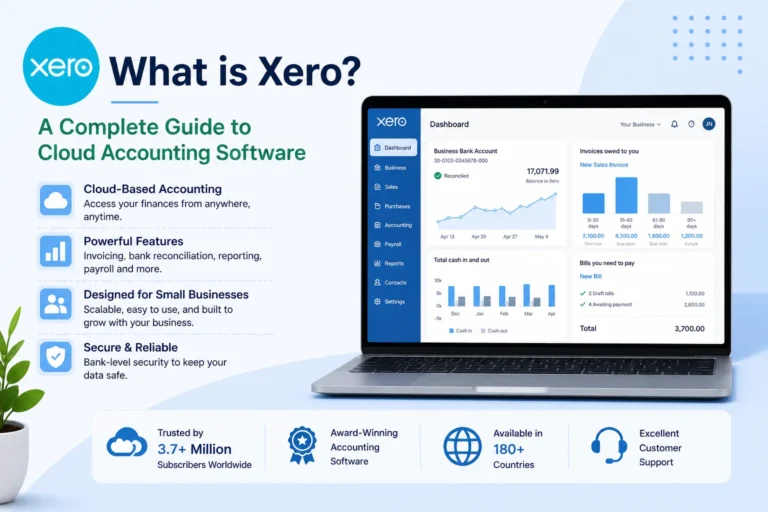
Cloud accounting refers to accounting software that is hosted online and accessed through the internet instead of being installed on a local computer.
This means:
- Your financial data is stored securely in the cloud
- You can access your accounts from any device with internet access
- Updates and backups happen automatically
Unlike traditional accounting systems, cloud accounting does not require manual installations or physical storage, making it more efficient and accessible.
How Cloud Accounting Works
Cloud accounting platforms operate through web-based applications. Instead of installing software, you simply log in through a browser or app.
Here’s how it typically works:
- You create an account on a cloud accounting platform
- Your financial data is stored on secure remote servers
- Transactions are recorded and processed in real time
- Reports are generated automatically
Everything is centralized, allowing you to manage finances without being tied to a single device or location.
Key Features of Cloud Accounting Software
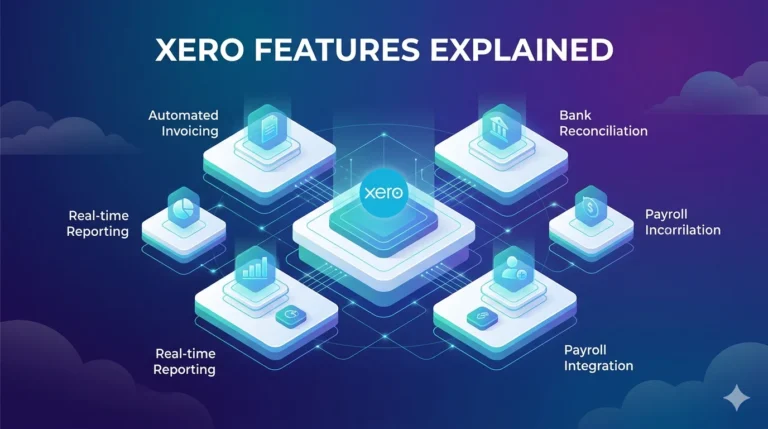
Modern cloud accounting tools offer a wide range of features designed to simplify financial management.
Real-Time Financial Tracking
You can monitor income, expenses, and cash flow instantly. This helps you stay updated on your financial position at all times.
Automated Invoicing and Billing
Create and send invoices automatically, set reminders for payments, and reduce manual work.
Bank Integration
Many platforms connect directly with your bank accounts, automatically importing transactions and reducing data entry.
Financial Reporting
Generate reports such as profit and loss statements, balance sheets, and cash flow reports with just a few clicks.
Multi-User Access
Multiple users can access the system simultaneously, making collaboration easier for teams and accountants.
Cloud Storage and Backup
Your data is securely stored and backed up automatically, reducing the risk of data loss.
Benefits of Cloud Accounting
Cloud accounting offers several advantages over traditional systems, especially for modern businesses.
Accessibility from Anywhere
You can access your financial data anytime, anywhere. Whether you are in the office, at home, or traveling, your accounts are always available.
Time-Saving Automation
Automation reduces manual tasks such as data entry, calculations, and report generation. This saves time and improves efficiency.
Cost Efficiency
There is no need for expensive hardware or IT infrastructure. Most cloud solutions operate on subscription-based pricing, making them affordable for businesses of all sizes.
Improved Accuracy
Automatic calculations and integrations reduce the chances of human error.
Easy Collaboration
Accountants, business owners, and team members can work together in real time without needing to share files manually.
Why Cloud Accounting Matters in 2026
The importance of cloud accounting continues to grow as businesses become more digital.
Remote Work is the New Standard
With more businesses adopting remote and hybrid work models, cloud-based tools allow teams to stay connected and manage finances from anywhere.
Real-Time Decision Making
In 2026, businesses need instant access to data to make quick decisions. Cloud accounting provides up-to-date financial insights that support better planning.
Increased Demand for Automation
Automation is becoming essential for efficiency. Cloud accounting tools reduce repetitive tasks and allow businesses to focus on growth.
Integration with Modern Tools
Businesses now use multiple digital tools. Cloud accounting integrates seamlessly with payment systems, CRM platforms, and e-commerce solutions.
Enhanced Security Standards
Cloud providers invest heavily in security, offering encryption, secure backups, and protection against data loss.
Common Misconceptions About Cloud Accounting
Despite its advantages, some misconceptions still exist.
“Cloud Accounting is Not Secure”
In reality, cloud platforms often provide better security than local systems, including encryption and regular backups.
“It’s Only for Large Businesses”
Cloud accounting is suitable for businesses of all sizes, including freelancers and startups.
“It’s Difficult to Use”
Most modern platforms are designed with user-friendly interfaces and guided setups.
Who Should Use Cloud Accounting?
Cloud accounting is ideal for:
- Freelancers and self-employed professionals
- Small and medium-sized businesses
- Startups looking for scalable solutions
- Companies with remote teams
- Businesses that want real-time financial insights
Regardless of size, any business can benefit from the flexibility and efficiency cloud accounting provides.
How to Choose the Right Cloud Accounting Software
To select the best tool for your needs, consider the following:
- Identify your business requirements
- Check ease of use and interface
- Look for essential features like invoicing and reporting
- Ensure it integrates with your existing tools
- Read user reviews and test free trials
Choosing the right platform ensures you get the maximum benefit from cloud accounting.
Potential Drawbacks to Consider
While cloud accounting has many benefits, it is important to be aware of potential limitations.
- Requires a stable internet connection
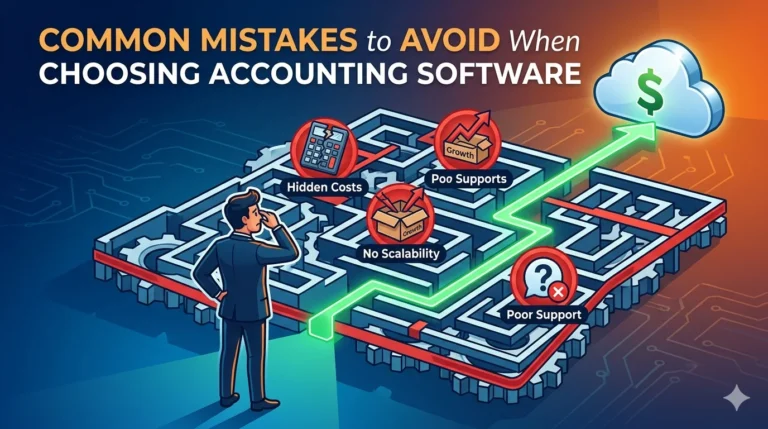
- Subscription costs can add up over time
- Some advanced features may only be available in higher plans
Understanding these factors helps you make a balanced decision.
Final Thoughts
Cloud accounting has become an essential tool for modern businesses. It offers flexibility, automation, and real-time insights that traditional systems cannot match.
As we move further into 2026, businesses that adopt cloud accounting will have a significant advantage in efficiency, accuracy, and decision-making.
By understanding how cloud accounting works and choosing the right platform, you can simplify your financial management and focus on growing your business with confidence.