Choosing the right accounting software is no longer just about tracking income and expenses. In 2026, businesses need smarter, faster, and more connected financial tools that help them make real-time decisions and scale efficiently.
With so many options available, including platforms like Xero, it can be difficult to know which features actually matter. Many tools look similar on the surface, but the difference lies in the features they offer and how well they support your business needs.
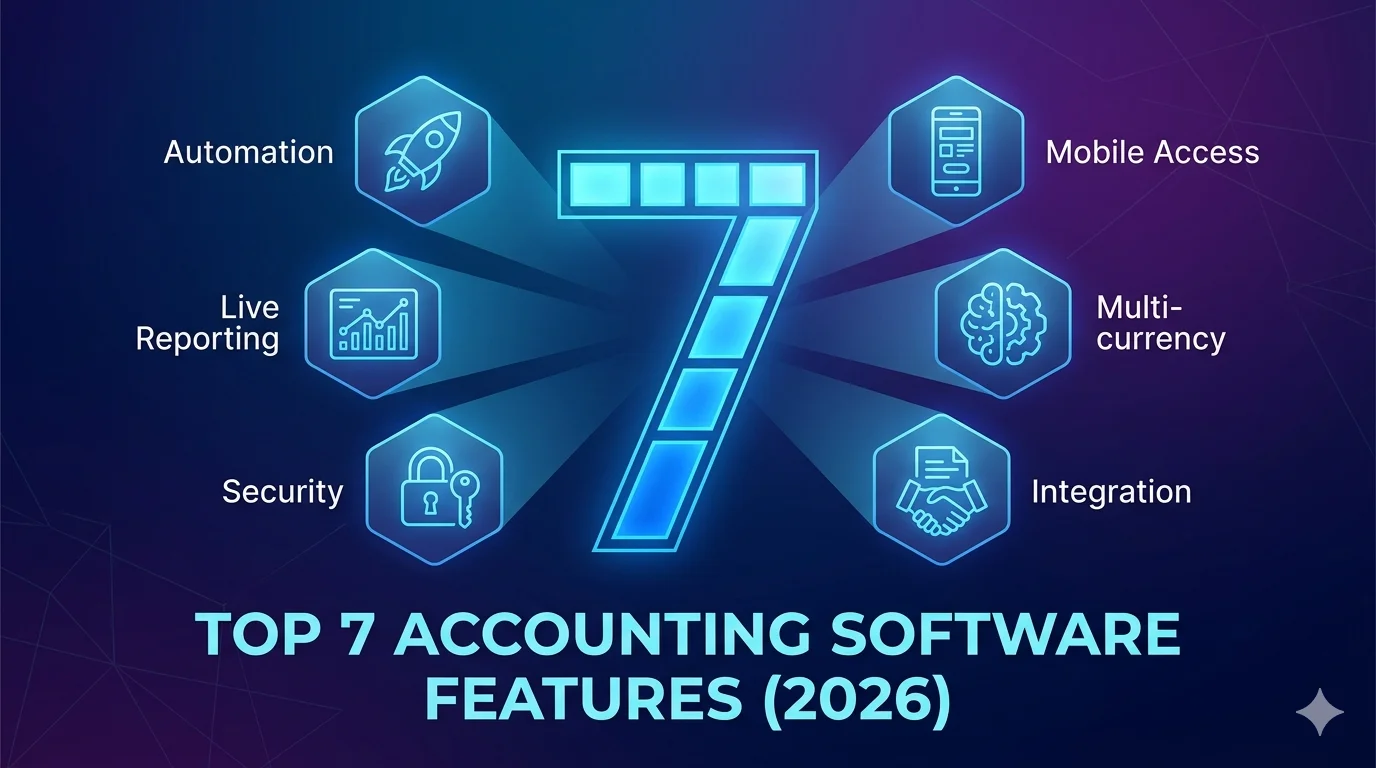
This guide breaks down the 7 most important accounting software features every business should look for in 2026.
1. Real-Time Financial Reporting
One of the most important features in modern accounting software is real-time reporting.
Instead of waiting for monthly reports, businesses now need instant financial insights.
Why it matters:
- Helps you make faster decisions
- Shows current cash flow status
- Identifies financial issues early
What to look for:
- Profit and loss statements
- Balance sheets updated instantly
- Cash flow dashboards
Real-time reporting gives you complete control over your finances at any moment.
2. Cloud Accessibility
Cloud-based access is now a standard requirement, not an optional feature.
Cloud accounting allows you to access your financial data from anywhere, using any device.
Benefits:
- Work remotely without limitations
- Access data in real time
- Automatic backups and updates
This is why platforms like Xero are widely used by modern businesses.
3. Automated Invoicing and Billing
Manual invoicing takes time and increases the risk of errors. Modern accounting software should automate this process.
Key features to look for:
- Recurring invoices
- Automatic payment reminders
- Custom invoice templates
- Online payment integration
Automation improves cash flow and reduces administrative workload.
4. Bank Integration and Reconciliation
Bank integration allows your accounting software to connect directly with your business bank account.
Why it is important:
- Automatically imports transactions
- Reduces manual data entry
- Speeds up reconciliation process
This feature ensures your financial records are always accurate and up to date.
5. Multi-User Access and Collaboration
Businesses today require teamwork between accountants, managers, and finance teams.
What good software provides:
- Multiple user roles
- Permission-based access
- Real-time collaboration
This ensures everyone works on the same financial data without confusion or duplication.
6. Integration with Other Business Tools
Modern businesses use multiple digital tools, so integration is essential.
Common integrations include:
- Payment gateways
- CRM systems
- E-commerce platforms
- Payroll systems
Good accounting software should easily connect with your existing tools to streamline workflows and reduce manual effort.
7. Scalability for Business Growth
One of the most overlooked features is scalability.
Your accounting software should grow with your business.
What scalability means:
- Ability to handle more transactions
- Support for additional users
- Advanced reporting as your business expands
- Upgrade options when needed
Choosing scalable software prevents the need for switching systems later, which can be costly and time-consuming.
Why These Features Matter in 2026
The business environment in 2026 is highly digital and competitive. Companies need tools that are not only functional but also intelligent and adaptive.
Accounting software is no longer just about bookkeeping—it is a central part of business strategy.
Businesses that choose software with the right features can:
- Save time through automation
- Reduce financial errors
- Improve decision-making
- Scale more efficiently
How to Use This Checklist When Choosing Software
When evaluating accounting tools, use this simple checklist:
- Does it provide real-time reporting?
- Is it cloud-based and accessible anywhere?
- Does it support automated invoicing?
- Can it connect to your bank?
- Does it allow team collaboration?
- Can it integrate with your business tools?
- Will it scale with your business?
If the answer is “yes” to most of these, the software is likely a strong choice.
Final Thoughts
Choosing accounting software in 2026 requires more than just comparing prices or basic features. Businesses need tools that are powerful, flexible, and future-ready.
By focusing on the seven features outlined in this guide, you can make a more informed decision and avoid costly mistakes.
Whether you are a freelancer, startup, or growing company, selecting the right platform—such as Xero—can significantly improve your financial management and overall business efficiency.