Choosing the right accounting software is a critical decision for any business. Whether you are a freelancer, startup, or growing company, the software you select will directly impact how you manage finances, track expenses, and make business decisions.
With so many options available today, including powerful platforms like Xero, it’s easy to make mistakes during the selection process. These mistakes can lead to wasted time, unnecessary costs, and operational inefficiencies.
This guide will walk you through the most common mistakes people make when choosing accounting software—and how you can avoid them.
Why This Decision Is Important
Accounting software is not just a tool for bookkeeping. It plays a major role in:
- Managing your cash flow
- Generating financial reports
- Handling taxes and compliance
- Supporting strategic business decisions
Choosing the wrong software can create confusion and slow down your growth. Choosing the right one can simplify your entire financial workflow.
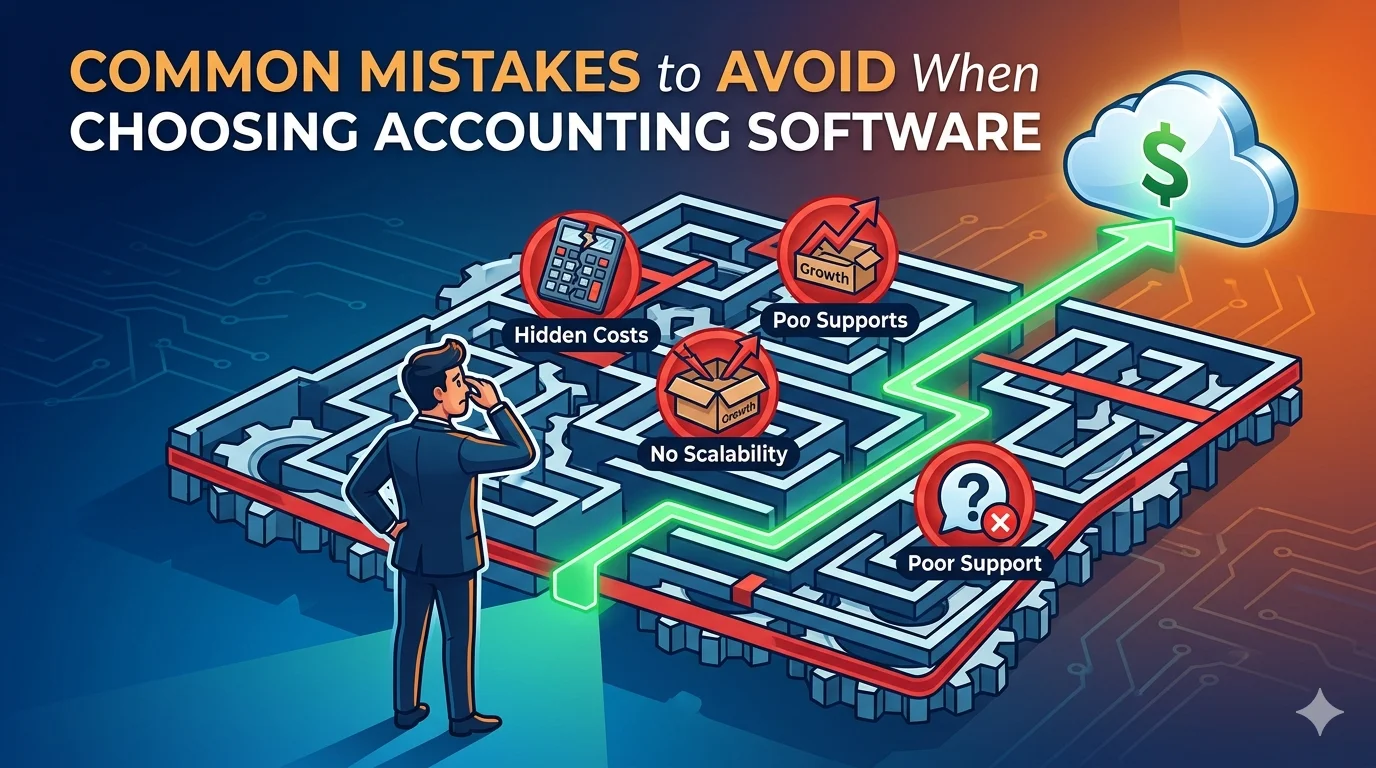
1. Choosing Based Only on Price
Many businesses choose software simply because it is cheap or free. While this might seem like a smart financial decision at first, it can lead to problems later.
Cheap tools often lack essential features such as advanced reporting, automation, or integrations. As your business grows, you may find yourself limited and forced to switch platforms.
Instead of focusing only on price:
- Look at the value the software provides
- Compare features against your needs
- Think long-term, not just short-term savings
A slightly more expensive tool that fits your needs will always be a better investment.
2. Not Understanding Your Business Requirements
Every business has different accounting needs. A freelancer may only need invoicing and expense tracking, while a larger business may require payroll, inventory, and detailed reporting.
Choosing software without clearly defining your requirements can result in:
- Paying for features you don’t need
- Missing important functionalities
- Inefficient workflows
Before selecting a tool, ask yourself:
- What tasks do I need this software to handle?
- How complex are my financial operations?
- Will my needs change in the next 1–2 years?
Understanding your requirements is the foundation of making the right choice.
3. Ignoring Ease of Use
Some accounting software is powerful but difficult to use, especially for beginners.
If the interface is confusing or complicated:
- You will waste time learning the system
- Mistakes are more likely to happen
- Team adoption becomes difficult
Ease of use is especially important if you don’t have an accounting background.
Look for software that offers:
- A clean and simple dashboard
- Easy navigation
- Helpful tutorials or onboarding
A user-friendly tool will save time and reduce frustration.
4. Overlooking Scalability
A common mistake is choosing software that only fits your current needs, without considering future growth.
As your business expands, you may need:
- More advanced reporting
- Additional users
- Integration with other tools
- Automation features
If your software cannot scale, you will eventually need to migrate to a new system, which can be complex and time-consuming.
Always choose a solution that can grow with your business.
5. Not Checking Integration Capabilities
Modern businesses use multiple tools such as:
- Payment gateways
- CRM systems
- E-commerce platforms
- Payroll software
If your accounting software cannot integrate with these tools, you may end up doing manual data entry, which increases the risk of errors and wastes time.
Make sure the software supports integrations with the tools you already use or plan to use in the future.
6. Ignoring Customer Support
Customer support is often overlooked until something goes wrong.
If you encounter issues and support is slow or unhelpful, it can disrupt your business operations.
Before choosing software, check:
- Availability of support (chat, email, phone)
- Response times
- User reviews about support quality
Reliable support ensures that you can resolve problems quickly when they arise.
7. Not Reading Real User Reviews
Many users rely only on marketing claims when choosing software. However, real user reviews often reveal the true strengths and weaknesses of a platform.
Reviews can provide insights into:
- Ease of use
- Performance
- Common issues
- Customer satisfaction
Reading reviews helps you understand what to expect before committing to a tool.
8. Choosing Overly Complex Software
Some businesses choose feature-rich software that is far more complex than they actually need.
This can lead to:
- Confusion and inefficiency
- Longer learning time
- Unused features
It’s better to choose software that matches your level of complexity rather than going for the most advanced option available.
9. Ignoring Data Security
Accounting software handles sensitive financial information, so security should be a top priority.
Failing to consider security can expose your business to risks such as data breaches or unauthorized access.
Look for software that offers:
- Data encryption
- Secure backups
- Two-factor authentication
Protecting your financial data is essential for maintaining trust and stability.
10. Not Taking Advantage of Free Trials
Many accounting tools offer free trials or demo versions. Skipping this step is a missed opportunity.
A trial allows you to:
- Test the interface
- Explore features
- Understand usability
Before making a final decision, always try the software to see if it truly meets your expectations.
How to Choose the Right Accounting Software
To avoid these mistakes, follow a simple process:
- Identify your business needs
- Set a realistic budget
- Compare multiple tools
- Read user reviews
- Test the software through trials
Taking a structured approach will help you make a confident and informed decision.
Final Thoughts
Choosing accounting software is not something you should rush. The right tool can simplify your financial management and support your business growth, while the wrong one can create unnecessary challenges.
By avoiding these common mistakes, you can select a solution that fits your needs, saves time, and provides long-term value.
Take your time, do your research, and focus on what truly matters for your business. A thoughtful decision today can make a significant difference in your operations tomorrow.